
Guides · Alternates & bail-outs
Don’t gamble on unknowns.
On my Eagle Cap trip this fall, we changed the plan twice — once for weather, once for my health — and still had an amazing trip. Here’s how I build a plan that’s designed to change, so the safe choice is ready when I need it.
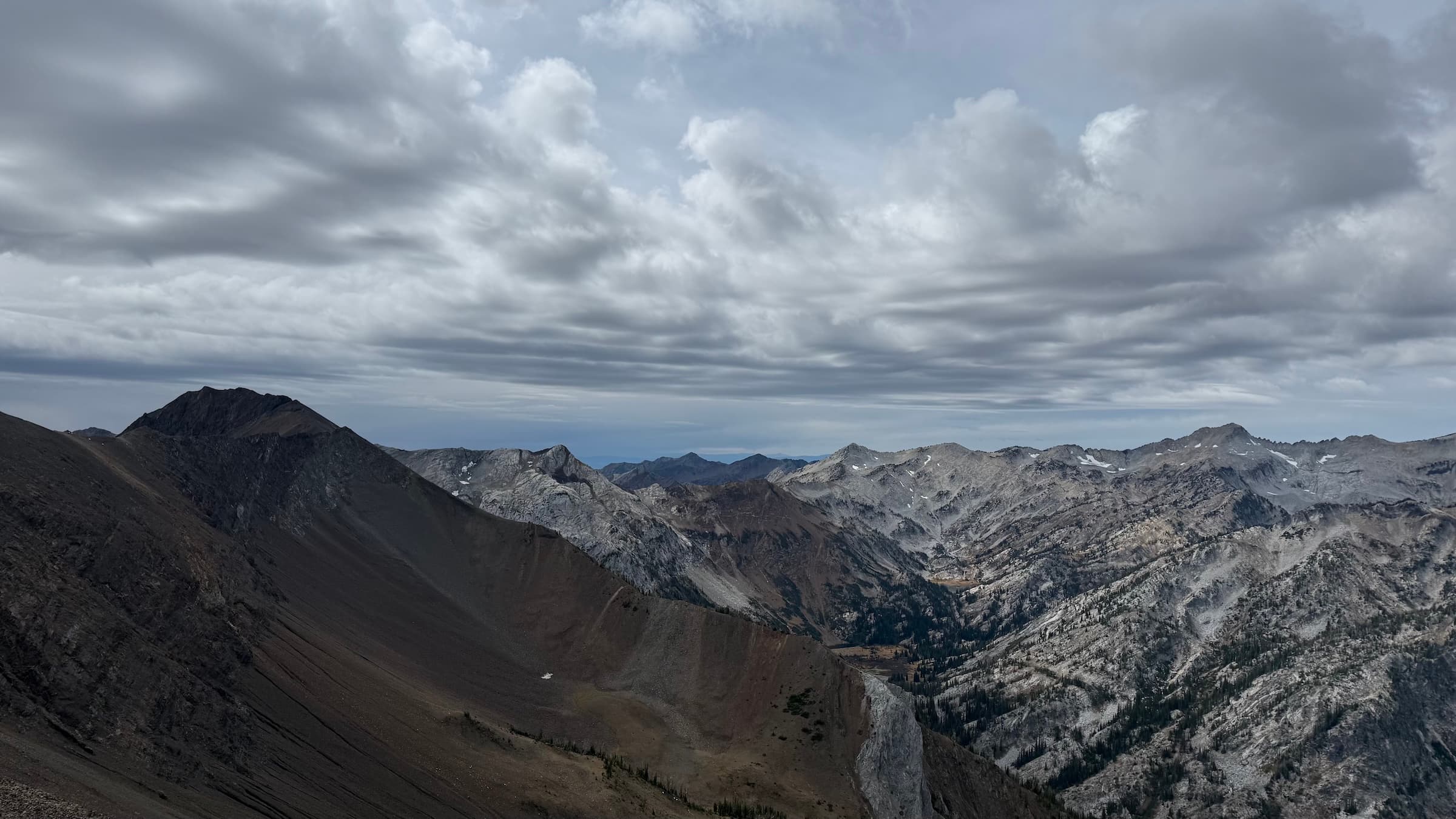
Eagle Cap, September 2026
What happened.
Day 2: rain on the horizon. On day 2 we climbed up onto the ridge, and the route ran along it from there. From below, we couldn’t see what was coming. At the top, the view to the south opened up, and there it was: rain, moving our way. It didn’t look like lightning, but we couldn’t be sure.
The call wasn’t obvious. Looking back, dropping off the ridge seems like the clear choice. Standing up there, it wasn’t. How bad was that rain, really? How hard was this ridge, really? How long would it actually take? None of us had traversed it. From my research I didn’t think any of it went past a class 2 scramble, but I wasn’t certain. And I don’t scramble when the rock is wet and slippery.
What I really didn’t want was to be an hour into the traverse, with an hour still to go, when the rock got wet — not comfortable going forward, not comfortable going back. That’s the situation I’ve learned to avoid: don’t gamble on unknowns. We had three of them, and a known option right below us. So we dropped into the valley instead. The rain arrived about 30–40 minutes after we left the ridge.
That one change rippled. The bail-out I’d planned for day 3 (Prospect Lake, if a tarn was dry) never came into play, because the plan had already changed on day 2. Instead, we spent a good part of day 3 hiking back up to rejoin the route we wanted.
Nights 1–3: stomach cramps. For three nights I kept waking up with stomach cramps, and the third night was the worst. Day 5 had a big climb. We decided the safe call was to walk out on day 4 rather than risk the cramps turning into something serious, somewhere hard to get out of.
And it was still a great trip. We summited Aneroid Mountain and Eagle Cap. And we found the off-trail route we’d been looking for, from Glacier Pass to Eagle Cap. It let us go up and over Eagle Cap on the way to Mirror Lake, instead of dropping to the lake and doing Eagle Cap as an out-and-back from camp.
Why it worked
The decisions were already made.
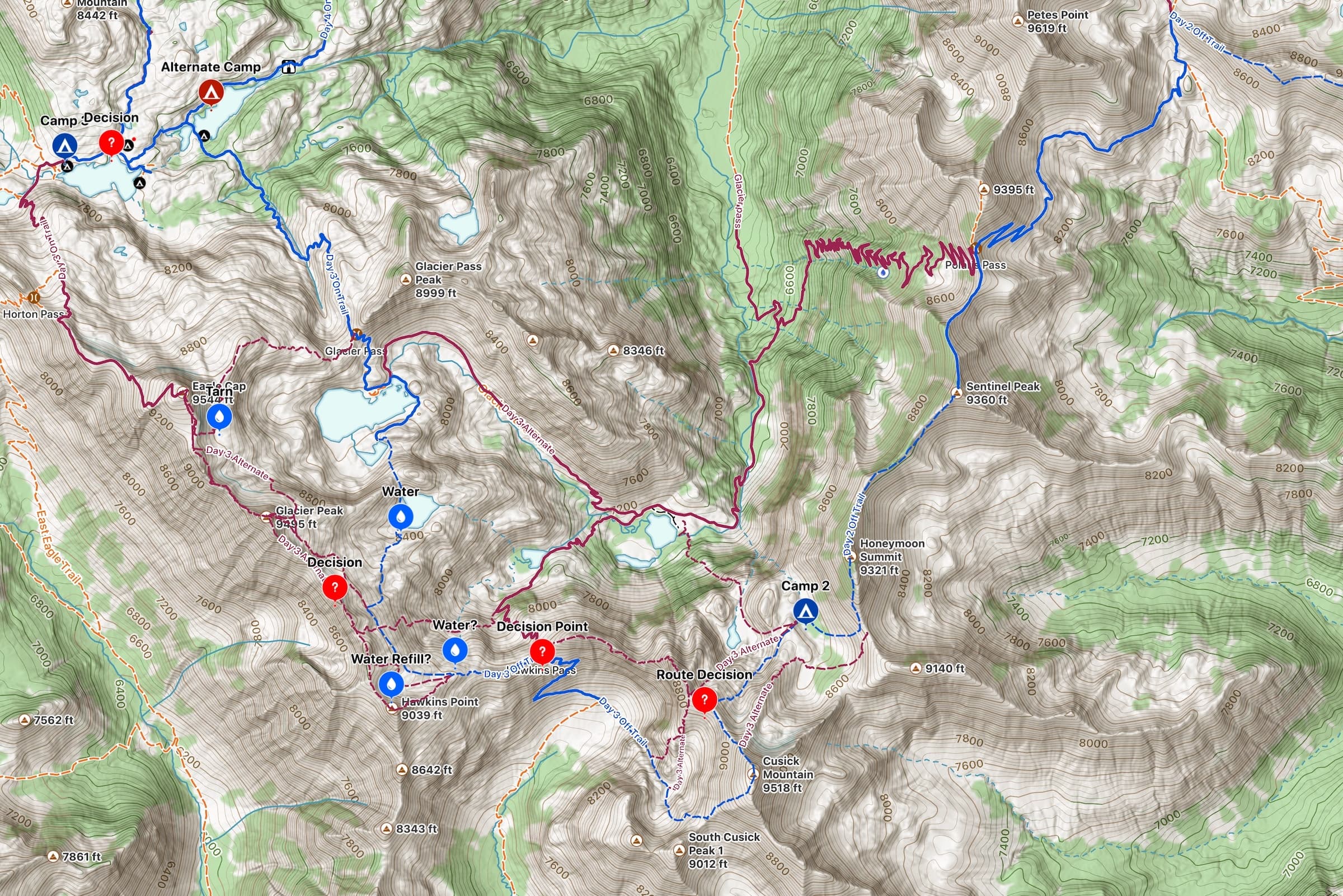
Neither change was improvised. Before we left, I’d planned alternate routes and bail-out points along the whole route. So when the weather turned and when my body said no, we weren’t inventing an escape on an exposed ridge or in the middle of the night — we were choosing between options I’d already scouted at the kitchen table.
That’s what makes ambitious trips safer. Not avoiding risk entirely, but knowing your outs before you need them. A scouted alternate turns an unknown into a known option, so when you’re facing too many unknowns, the safe choice is already there.
The method
How I plan alternates and bail-outs.
- Walk every committing section and ask, “What if I need to stop here?” For each stretch — a ridge, a pass, a long off-trail section — I find the nearest reasonable way down to a trail or a valley, and mark it.
- Draw the alternates as real routes. A lower line around a ridge, a valley route that skips a pass. In the web app I trace them as separate routes alongside the main one, so they’re on my phone and my watch, not just in my head. (See planning a trip.)
- Write the trigger rules before you go. The most useful bail-outs come with a rule attached, decided while you’re calm. On this trip, one was water: if the tarn below Hawkins Point was dry and we were more than three hours past our start, we’d drop to Prospect Lake. (More in the hydration guide.) Others are simpler: no scrambling on wet rock, don’t start a big climb when I’m not right, and the one that covers everything else: don’t gamble on unknowns. If I can’t answer how bad, how hard, or how long, I take the option I know.
- Decide at the edge, not in the middle. The dangerous spot isn’t the start of a committing section — it’s the halfway point, where going on and turning back both look bad. Make the call where the decision is still cheap: at the base of the ridge, at the trailhead of the climb, the night before.
Next time
What I learned, and what I’ll do next time.
I’m used to the Cascades, where pretty much every water source is flowing. I’ve rarely had to think about whether the water was moving or still. So when we reached Dollar Lake, I filtered from it without thinking twice. It was stagnant, and I’m fairly sure that’s where I picked up the bug behind the cramps.
What I learned: habits from your home range don’t always travel. An assumption that’s safe in one place can be a gamble in another.
Here’s what I’ll do from now on:
- Plan water for quality, not just quantity. When I mark refill spots, I’ll note whether the water is moving or still.
- Have an alternate for questionable water. If a source looks stagnant, I’ll drop to a lower lake or stream with better water, the same way I plan an alternate route.
- Carry a backup treatment. I’ll bring iodine to use along with my filter when I’m in country I don’t know well.
More on planning water in the hydration guide.
The hard part
Bailing isn’t failing.
We always say it’s the journey that matters, not the destination. I believe that. But when you walk out a day early, it’s hard not to feel like you failed. You planned the whole route, and you didn’t finish it.
That feeling takes a real shift to get past. What helped me was looking at what we actually did instead of what we didn’t: two summits, and the off-trail route over Eagle Cap we’d been hoping to find. We cut a day, skipped a ridge, and changed the route twice. It was still one of the best trips I’ve had this year.
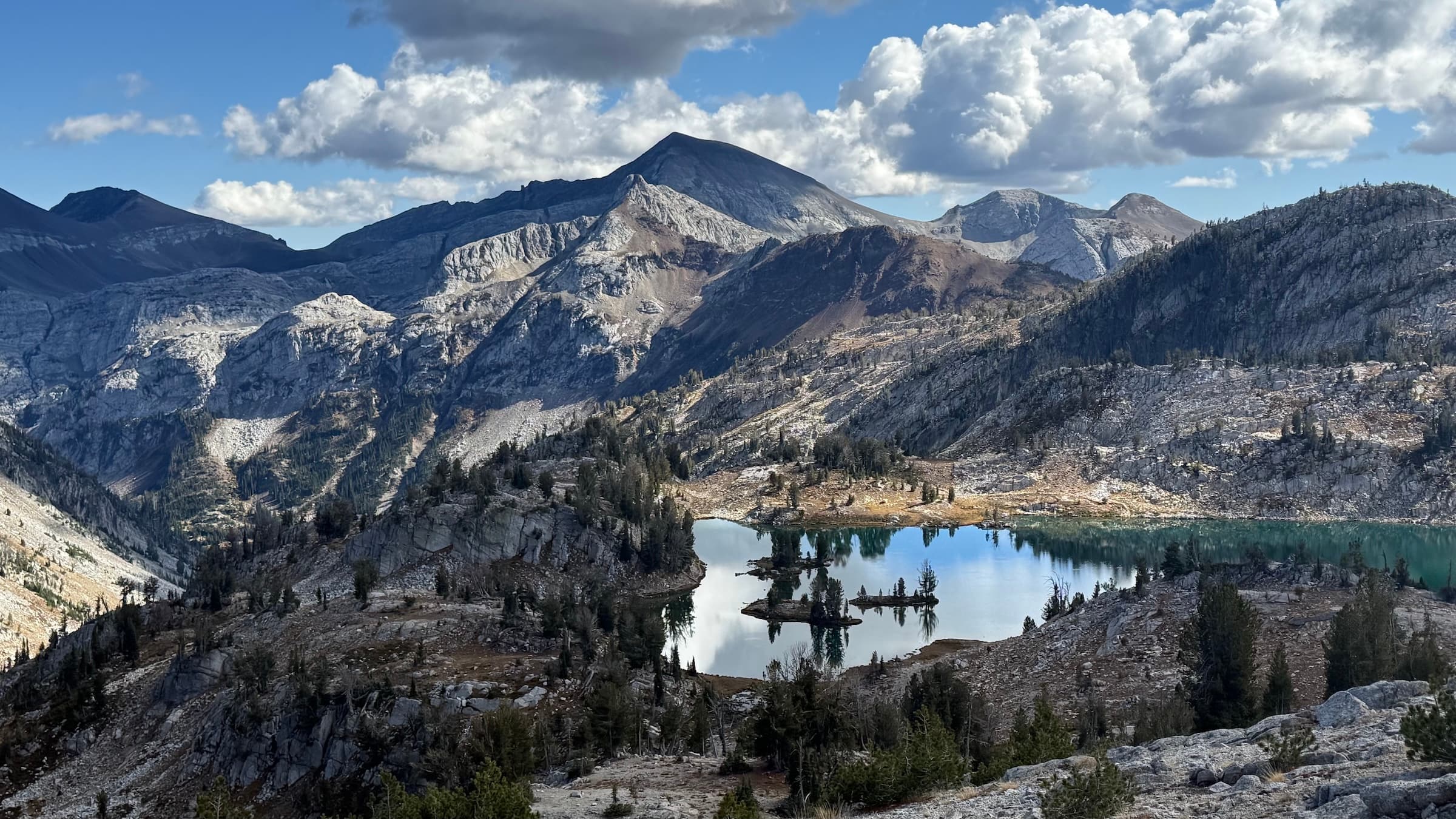
A plan with good alternates doesn’t make your trip smaller. It’s what lets you go after something ambitious in the first place, and turn back without second-guessing it.
Plan it
Know your outs before you need them.
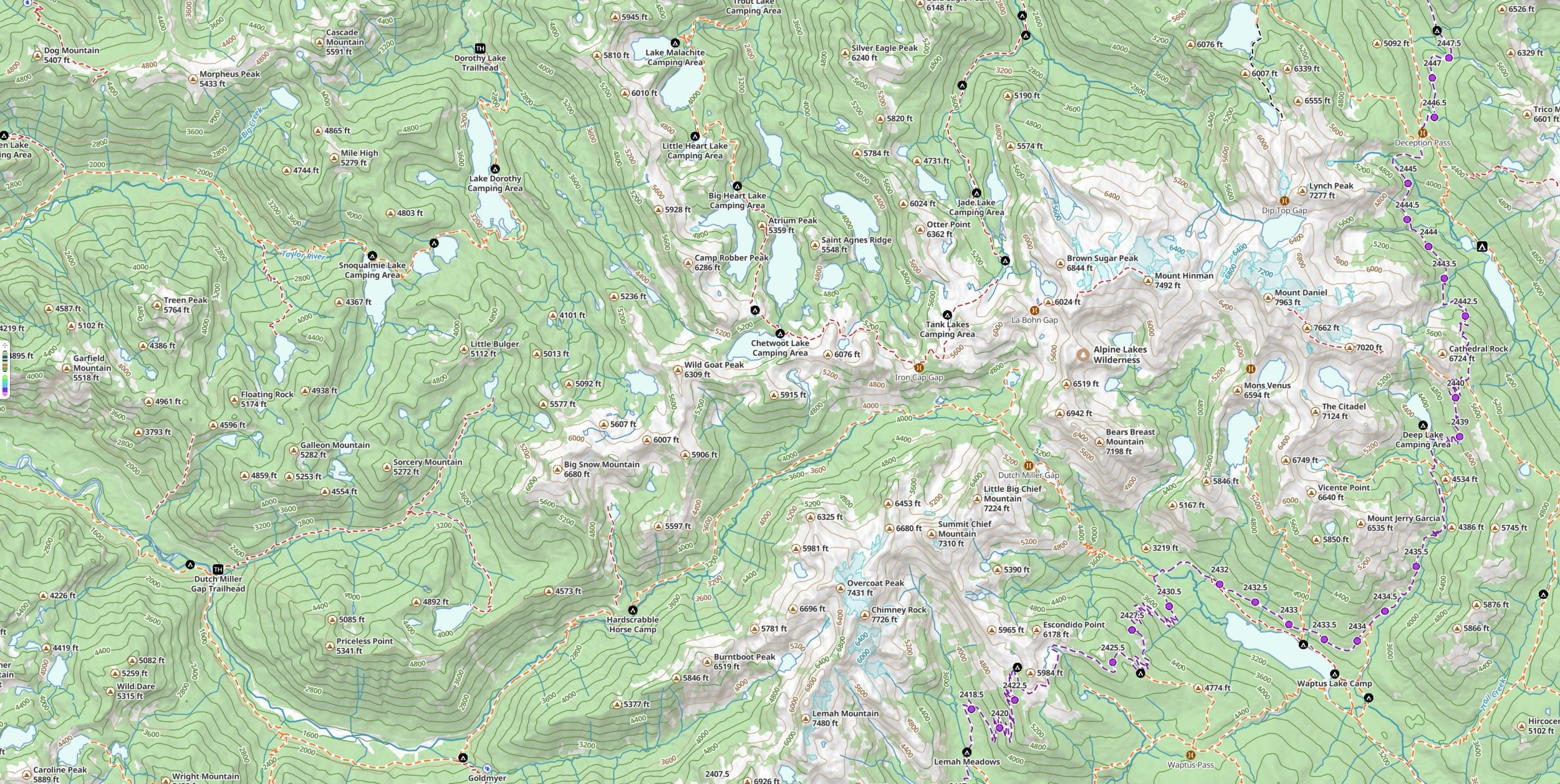
Trace your main route, draw the alternates and bail-outs beside it, and have them on your phone and watch before you leave.